
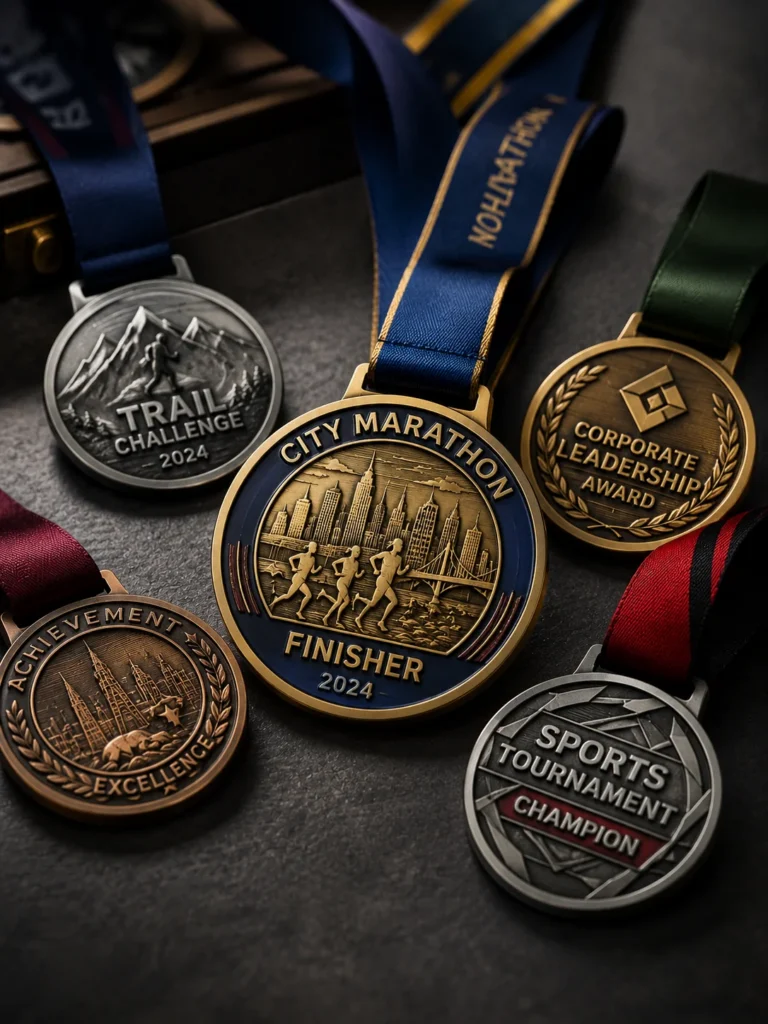
In Australia, organisers also have to balance budgets, safety, and presentation across kids, teens, and adults. Choosing the right finish is one of the simplest ways to get that balance right while keeping the event’s look consistent.
Why do organisers change medal finishes by age group?
They change finishes to match what each age group values most and what the event needs from a practical point of view. Younger kids often need safe, durable, bright medals, while older athletes tend to prefer premium, detailed finishes.
For many clubs, varying the finish is a smart way to create a “progression” feel across divisions without redesigning the whole medal. It helps custom sports medals look age appropriate while keeping branding aligned.
What does “finish” mean on a medal, and why does it matter?
A finish is the surface look and feel, such as shiny, matte, antique, coloured, or textured plating. It changes how light reflects, how scratches show, and how fine detail reads.
In the real world, finish matters because medals get handled, dropped into kit bags, and worn in sweaty conditions. The right finish can keep custom sports medals looking better for longer, especially across a full season of presentations.
Why are brighter finishes common for younger children?
Brighter finishes, like high polish gold or silver, read as instantly “special” to younger kids. They also photograph well in bright outdoor Australian light, which suits school ovals, surf club lawns, and council parks.
Shiny finishes can also help simple designs pop without adding extra cost. That is why many entry level custom sports medals for under 6s to under 10s lean glossy and bold.
Why do older age groups often get antique or matte finishes?
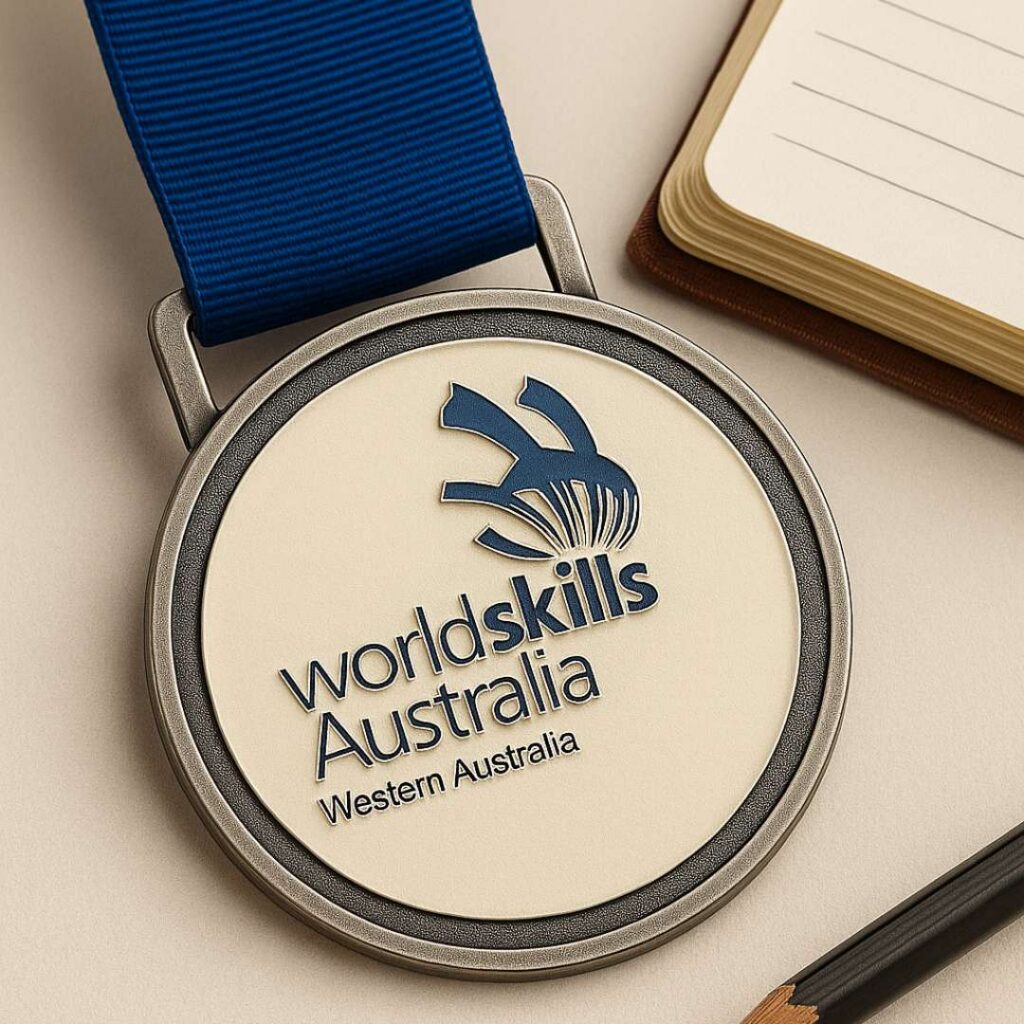
Older athletes usually want something that feels more premium and less toy like. Antique and matte finishes tend to look “earned” and can highlight depth, logos, and 3D elements better than full gloss.
They also hide fingerprints and small scuffs, which is useful for teens and adults who keep medals long term. Many organisers choose antique bronze, antique silver, or satin gold so custom sports medals feel more like a keepsake.
How do safety and comfort affect finish choices for kids?
For younger children, organisers often avoid finishes that chip easily or have sharp, highly raised edges that can snag. Some finishes pair better with rounded edges and thicker borders, which can reduce sharp contact points.
Comfort matters too because kids wear medals for longer at presentations. A finish that stays smooth and resists flaking helps custom sports medals remain safe and wearable, especially at large school events where supervision is stretched.
How does durability influence which finishes suit each age bracket?
Durability is a major reason finishes vary. Highly polished plating can show scratches quickly, but it is easy to mass produce and looks great on the day. Antique finishes hide wear, making them ideal for older divisions where medals are handled more roughly.
In coastal Australia, salt air can also be a factor for surf lifesaving and seaside runs. Choosing tougher plating and sealants helps custom sports medals hold up across different environments and storage habits.
How do budgets shape finish decisions across a full competition?
They often allocate the budget where it has the most perceived value. For example, a club might give a standard bright finish for participation medals, then upgrade to an antique or two tone finish for older finals or representative squads.
This lets organisers keep a consistent shape and ribbon while differentiating status. It is a common approach for custom sports medals when there are multiple grades, from Auskick style programs through to senior teams.
Why is visual hierarchy important at presentations?
Presentations work better when people can see achievement levels at a glance. Using different finishes creates instant hierarchy without needing different designs for every division.
For example, younger age groups might receive polished gold for participation, while older groups get antique gold for podium places, and captains awards use a special two tone finish. This hierarchy is one reason custom sports medals are finished differently across age groups.
How do finishes affect engraving and personalisation for different ages?
Engraving needs to stay readable for years. Some finishes, especially matte and antique, make engraved text stand out because the darker recesses create contrast.
For younger children, organisers may prioritise large, easy-to-read details such as a first name, team name, or event title. Older athletes may prefer additional information, including event times, distances, or season records. Choosing an appropriate finish can help custom sports medals keep personalisation clear, durable, and meaningful.
Why do clubs and schools consider how medals look in photos and social posts?
Australian clubs rely on photos for sponsors, newsletters, and Facebook updates. A high gloss finish can reflect harsh sun and blow out highlights, while matte or antique finishes tend to photograph with clearer detail.
Organisers may choose shinier finishes for indoor or shaded presentations, while more subdued finishes can work better for midday outdoor events. Custom sports medal finishes can influence how awards appear under different lighting conditions, making photo consistency a practical consideration when selecting the final finish.
Do different sports in Australia push different finish preferences?
Yes, because sports have different traditions and award moments. Netball and soccer often lean toward bright, classic finishes that match trophies, while martial arts, athletics, and rowing frequently favour antique or satin finishes that feel formal.
Surf lifesaving and triathlon events may also consider coastal corrosion and opt for finishes that age well. These sport specific expectations influence how custom sports medals are specified for juniors versus seniors.
How can organisers pick the right finish for each age group without overcomplicating it?
They can keep the same core design, then vary just one finish element by division. A simple system is polished for juniors, satin for intermediates, and antique for seniors, while keeping the ribbon and logo consistent.
They should also confirm lead times and request sample photos under Australian lighting, not studio shots. With a clear plan, custom sports medals can look cohesive, age appropriate, and easy to manage across the whole event.
What is the simplest takeaway for choosing finishes by age group?
They should match finish to the recipient’s experience level and how the medal will be used. Younger kids usually respond to bright, bold finishes, while older athletes appreciate detail, durability, and a premium feel.
When organisers treat the finish as part of the motivation rather than simply decoration, custom sports medals can become more than another event expense. A well-designed finish can turn the award into a practical, good-looking reward that feels appropriate for different age groups and adds a memorable touch to the day.
FAQs (Frequently Asked Questions)
Why do organisers choose different medal finishes for various age groups in Australian sports events?
Organisers select different medal finishes to align with the values and practical needs of each age group. Younger children benefit from safe, durable, and bright medals that stand out visually and photograph well, while older athletes prefer premium, detailed finishes like antique or matte that convey a more earned and keepsake feel. This approach balances motivation, safety, durability, and presentation across kids, teens, and adults.
What does ‘finish’ mean on custom sports medals, and why is it important?
The ‘finish’ of a medal refers to its surface appearance and texture—such as shiny, matte, antique, coloured, or textured plating. It affects how light reflects off the medal, how scratches show up, and how fine details are perceived. Choosing the right finish ensures medals withstand handling, sweat, and wear over time while maintaining their visual appeal throughout a season of presentations.
Why are brighter finishes commonly used for younger children’s medals?
Brighter finishes like high polish gold or silver instantly appear special to younger kids and photograph excellently in bright outdoor Australian settings such as school ovals or parks. These glossy and bold finishes help simple designs stand out without increasing costs, making them ideal for entry-level custom sports medals for under 6s to under 10s.
How do antique or matte finishes benefit older age groups receiving medals?
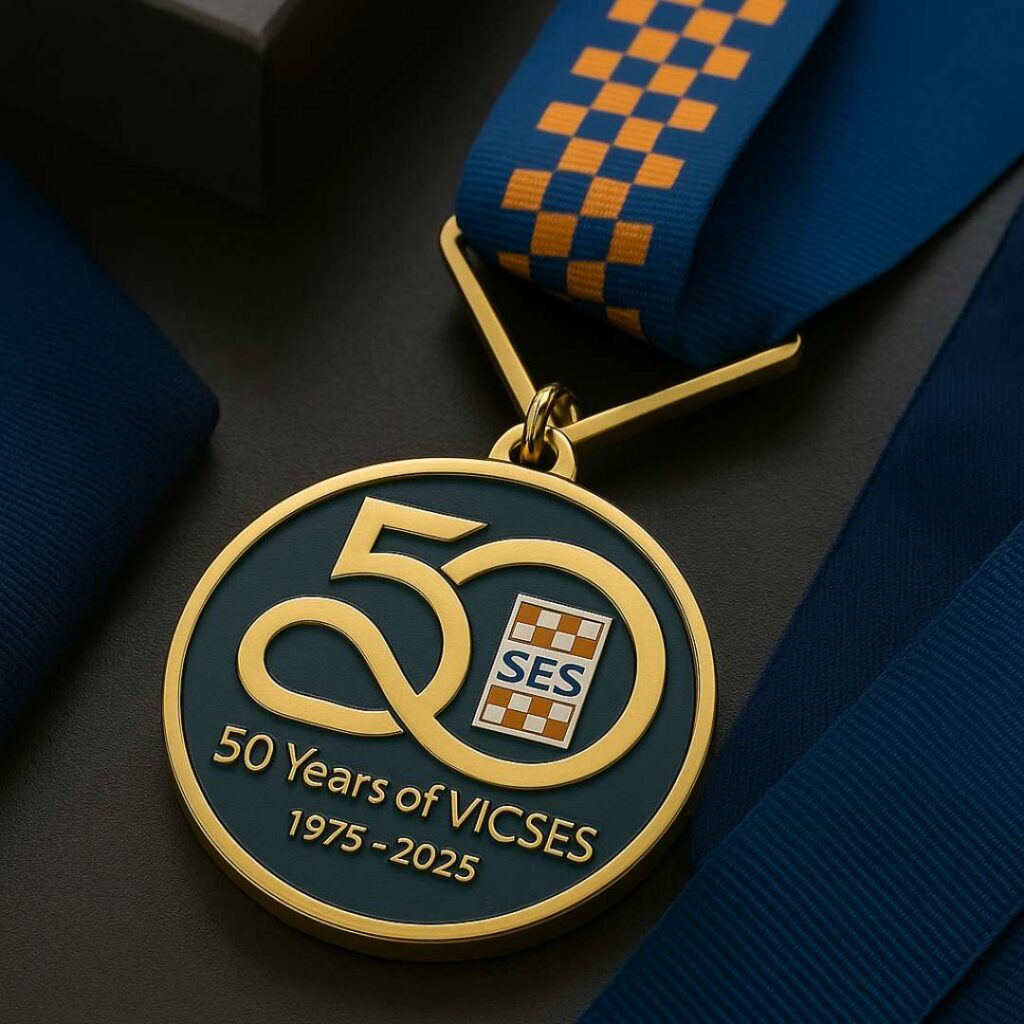
Older athletes often desire medals that feel premium and less toy-like. Antique and matte finishes provide a more ‘earned’ look by highlighting depth, logos, and 3D elements better than full gloss. They also effectively hide fingerprints and minor scuffs—important for teens and adults who keep their medals long-term—making finishes like antique bronze or satin gold popular choices for keepsake-quality custom sports medals.
In what ways do safety and comfort influence finish choices for children’s medals?
For younger children, organisers avoid finishes prone to chipping or with sharp raised edges that could snag. Finishes that pair well with rounded edges and thicker borders reduce contact points that might cause discomfort or injury. Additionally, smooth finishes that resist flaking ensure medals remain safe and comfortable during longer wear times at large school events where supervision may be limited.
How do budgets impact the selection of medal finishes across different divisions in competitions?
Budgets often dictate allocating higher-cost premium finishes to where they have the most perceived value. For instance, participation medals might feature standard bright finishes while finals or representative squad awards receive upgraded antique or two-tone finishes. This strategy allows organisers to maintain consistent medal shapes and ribbons while differentiating achievement levels effectively across multiple grades without redesigning entire medals.