
This guide breaks down how custom patches are made, step by step, so buyers can brief suppliers clearly and get consistent results.
What are custom patches actually made from?
Most custom patches start with a base fabric (often twill or felt), embroidery thread (typically polyester), and a backing layer that determines how they attach. The materials are chosen for durability, colour fastness, and how cleanly the edge can be finished.
In Australian workplaces and clubs, polyester thread is common because it handles sun exposure and frequent washing better than many alternatives.
How does a patch design get prepared before stitching?
Before any thread runs, the artwork must be digitised into a stitch file that an embroidery machine can read. For custom patch design, digitising decides stitch direction, density, underlay, and how small details will hold up at patch scale.
A strong digitising job is often the difference between crisp text and messy, crowded stitching, especially for small badges used by schools, emergency services, or sporting clubs.
Why do they choose embroidered patches instead of printed?
They choose embroidery when they want texture, depth, and a premium look that stays readable at a distance. Custom patches with embroidery can also hide scuffs and wear better than many prints because the thread sits above the base fabric.
Printed patches can still make sense for photo-like gradients, but embroidery remains the go-to for logos, unit identifiers, and traditional crests seen across Australian teams and associations.
How does the embroidery step work in practice?
Embroidery machines stitch the design onto the chosen fabric using programmed thread changes and stitch types. During this stage, custom patches are usually stitched in batches on large fabric sheets called “runs,” which improves consistency and reduces setup time.
Operators monitor thread tension, colour matching, and registration so outlines don’t drift and fills don’t bunch, which matters when the patch is later cut right up to the border.
What’s the difference between merrowed edges and laser-cut edges?
Merrowed (overlocked) edges wrap thread around the border, creating a raised rim that’s tough and classic looking. Laser-cut edges are cut cleanly to shape, often paired with a stitched border for structure, and they suit detailed silhouettes.
For custom patches with shields, circles, and simple shapes, merrowed edges are common. For complex outlines, many Australian buyers prefer laser cutting to keep the shape accurate.
How do they cut custom patches out of the stitched sheet?
After stitching, the sheet is cut into individual patches using a die press, hot knife, or laser, depending on edge style and volume. With custom patches, cutting accuracy affects how professional the final badge looks, particularly when the border is thin.
Shops producing patches for clubs or events often use laser cutting for flexibility, while high-volume orders may use dies for speed and repeatability.
What backings can they choose, and what do they do?
Backing controls how the patch attaches and how rigid it feels. Common options for custom patches include iron-on (heat seal), sew-on, Velcro (hook-and-loop), and adhesive (peel-and-stick) for temporary use.
Each backing suits a different Australian use case, from scouts and school uniforms to mining-site hi-vis gear where removability or wash resistance matters.
When should they choose iron-on backing?
They should choose an iron-on backing when they want quick application on compatible fabrics and do not expect the patch to be removed regularly. Iron-on custom patches are particularly popular for casual clothing, fundraising merchandise, team apparel, and sports bags because they can be applied without sewing.
It is less ideal on heat-sensitive synthetics or waterproof shells, so many suppliers recommend sewing around the edge as reinforcement for long-term wear.
When is sew-on the better option?
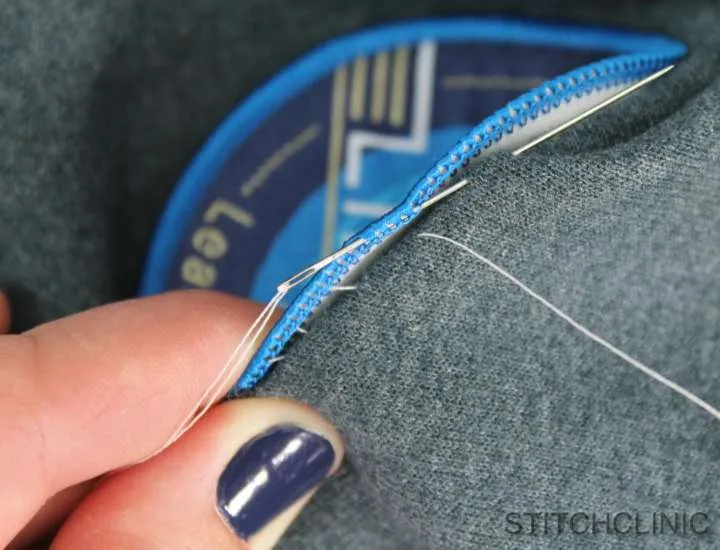
Sew-on is best when they need maximum durability, especially for uniforms that are washed frequently. Custom patches used by community groups, trades, and outdoor clubs often rely on sew-on backing because it is stable in heat, humidity, and repeated cleaning.
Sew-on also avoids the risk of heat damage, which is useful when garments vary across members and exact fabric composition is unknown.
Why do some custom patches use Velcro backing?
Velcro backing is useful when a patch needs to be removed for washing, swapped between garments, or changed according to a role or event. Velcro backed patches are commonly used in Australia for tactical-style gear, airsoft hobby kits, security uniforms, field bags, and other applications where flexible attachment is important.
They typically require a matching loop panel on the garment, so it helps to confirm whether the base item already has one before ordering.
What does “backed” mean if the patch already has fabric?
“Backed” refers to adding a secondary layer that changes how the patch behaves. For custom patches, backing can add stiffness, stop fraying, allow heat bonding, or provide a removable attachment system.
Some makers also add an optional border backing to help the patch sit flatter on curved surfaces like caps, which can improve how the logo reads from a distance.
How do they handle colour matching for Australian brands and clubs?
They usually match thread colours to brand guidelines using common thread charts and visual confirmation under consistent lighting. For custom patches, they may request Pantone references, but thread does not always map perfectly to print standards.
A practical approach is approving a sample photo or physical sew-out, especially when a club’s colour is a specific maroon, navy, or gold that must look consistent across jerseys, signage, and patches.
What file types do they need to supply to get the best result?
They get the best result by supplying clean vector art, usually AI, EPS, or PDF, with text outlined and colours separated. For custom patches, high-resolution PNGs can work for simple logos, but vectors reduce guesswork and speed up digitising.
If the design is old or low quality, many Australian patch makers can redraw it, but that step should be agreed on early to avoid delays.
How do they make sure small text and fine lines don’t fail?
They simplify and thicken small details to suit thread limits, then test stitch density so the fabric doesn’t pucker. With custom patches, tiny text can fill in during embroidery, especially below about 6–8 mm letter height depending on font and layout.
A good rule is to replace very small wording with a larger identifier, or move fine details into a border where they can be stitched more cleanly.
What quality checks happen before patches ship?
They check edge finish, thread trims, colour consistency, backing adhesion, and overall dimensions against the approved proof. For custom patches, quality control also includes making sure the backing is aligned and that Velcro pairs correctly with loop panels.
In Australia, buyers often request a pre-production sample for larger runs so they can sign off before the full batch is completed.
How long do custom patches take to make in Australia?
Turnaround depends on digitising time, production queues, and whether a sample is required. Many custom patches orders take roughly one to three weeks from artwork approval, with faster options sometimes available for events.
Shipping time varies by state, so buyers in regional areas may want to build in extra days, especially when timing is linked to competitions, ceremonies, or uniform rollouts.
What should they ask a supplier before ordering?
They should ask about minimum order quantities, edge type, backing options, sample approval, and expected lifespan for the intended use. For custom patches, it also helps to ask whether the quote includes digitising, revisions, and GST, since pricing structures vary.
If the patches are going onto workwear, they may also ask for advice on wash resistance and attachment method so the patch holds up under Australian conditions.
How do they choose the right patch type for the job?
They choose based on where it will be worn, how often it will be washed, and whether it must be removable. Custom patches for kids’ uniforms often prioritise ease of application, while patches for outdoor clubs may prioritise rugged edging and sew-on security.
When in doubt, suppliers can recommend a combination like laser-cut with stitched border and sew-on backing, which balances shape accuracy and longevity.
What’s the simplest way to brief a maker and avoid rework?
They should provide clear artwork, final dimensions, quantity, edge style, backing preference, and details about where the patch will be applied. A brief usage note can also help, such as “on cotton drill shirts, commercial wash.” This information allows the maker to recommend suitable backing and thread options for custom sports medals and related event merchandise.
A clean brief reduces revisions, speeds up approval, and makes it easier to get a patch that looks sharp on arrival and stays that way.
FAQs (Frequently Asked Questions)
What materials are commonly used to make custom patches in Australia?
Most custom patches in Australia start with a base fabric such as twill or felt, use polyester embroidery thread for durability and colour fastness, and include a backing layer that determines how the patch attaches. These materials are selected to withstand local conditions like sun exposure and frequent washing.
How is a patch design prepared before the embroidery process?
Before stitching, the artwork for custom patches is digitised into a stitch file readable by embroidery machines. This digitising step sets stitch direction, density, underlay, and detail retention at patch scale, ensuring crisp text and clear designs especially for small badges used by schools, emergency services, or sporting clubs.
Why choose embroidered custom patches over printed ones?
Embroidery is preferred when texture, depth, and a premium look are desired. Embroidered patches maintain readability at a distance and hide scuffs better than prints because the thread sits above the fabric. While printed patches suit photo-like gradients, embroidery remains the go-to for logos, unit identifiers, and traditional crests commonly seen across Australian teams and associations.
What is the difference between merrowed edges and laser-cut edges on custom patches?
Merrowed edges use an overlocked thread wrap creating a raised rim that’s tough and classic-looking, ideal for simple shapes like shields or circles. Laser-cut edges are cleanly cut to shape, often combined with stitched borders for structure, making them suitable for complex silhouettes where precise shape accuracy is important.
What backing options are available for custom patches and their typical uses?
Common backings include iron-on (heat seal) for quick application on compatible fabrics; sew-on for maximum durability especially on frequently washed uniforms; Velcro (hook-and-loop) for removable or interchangeable patches often used in tactical gear; and adhesive (peel-and-stick) for temporary attachment. Selection depends on use case such as school uniforms, sports apparel, or mining-site hi-vis gear.
How do manufacturers ensure colour matching of threads to Australian brand colours in custom patches?
Manufacturers match thread colours to brand guidelines using standard thread charts and visual checks under consistent lighting. Pantone references may be requested but don’t always perfectly map to thread colours. Approving sample photos or physical sew-outs is common practice to ensure consistency of specific maroon, navy, gold hues across jerseys, signage, and patches.