
Below is what they typically cover, and what clients should confirm before booking.
What does the initial inspection usually include?
They typically start by inspecting the property to find signs of pest activity and conditions that attract pests. This visit helps them choose the safest and most effective termite control services treatment plan.
They may check common hotspots like kitchens, bathrooms, basements, crawl spaces, attics, garages, and exterior entry points. For termite control services, they often inspect sill plates, wood framing, subfloors, and any areas with moisture issues.
How do they identify the pest problem accurately?
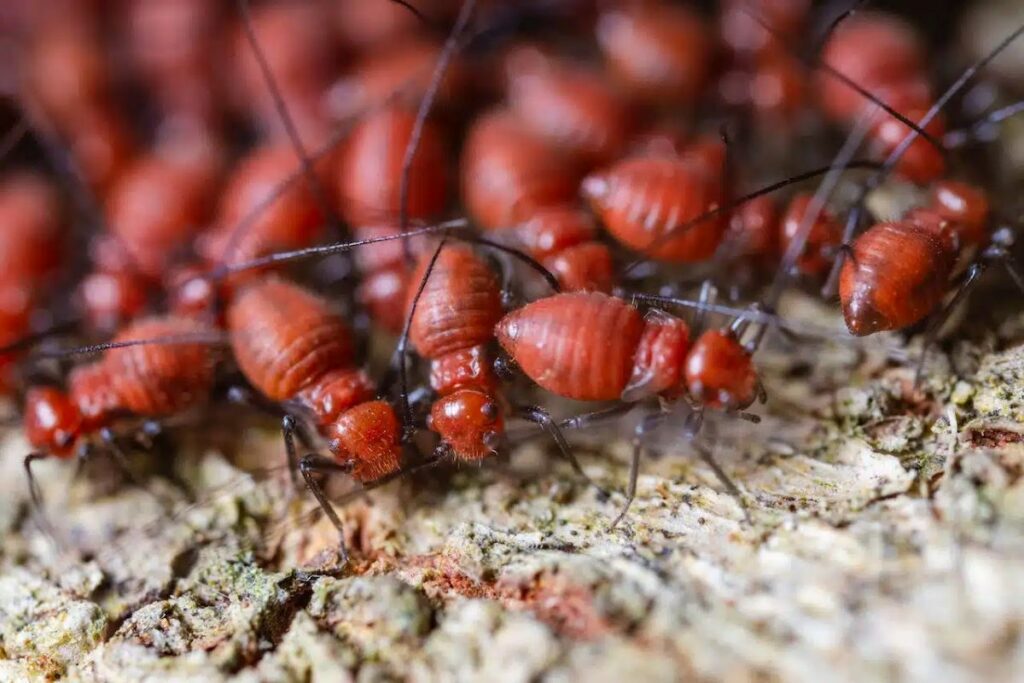
They usually identify the pest species (or termite type) and confirm how active the problem is. Correct identification matters because different pests respond to different products and strategies.
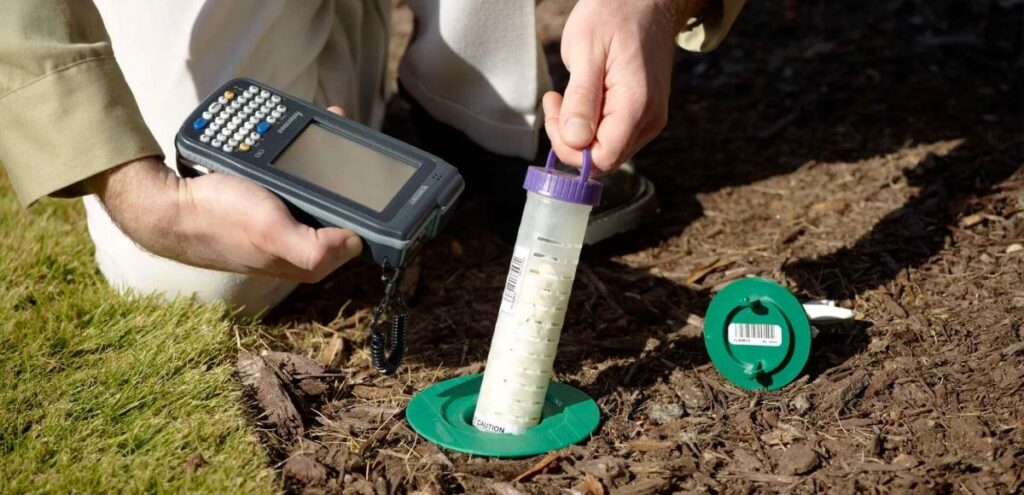
They may look for droppings, mud tubes, frass, shed wings, nesting material, gnaw marks, or live activity. If needed, they may use monitoring devices, bait stations, or moisture readings to confirm conditions supporting termites.
What kind of treatment plan do they provide?
They typically provide a treatment plan that outlines where they will treat, what methods they will use, and what the client should do before and after service. A good plan is specific, not generic.
They often explain whether treatment will be interior, exterior, or both, and whether it is a one-time treatment or part of a recurring program. They should also flag any limitations, such as inaccessible voids or areas blocked by stored items.
What’s included in a general pest treatment (ants, roaches, spiders, and similar pests)?
They usually include a combination of targeted interior treatment and a protective exterior barrier, depending on the pest and service type. The goal is to remove active pests and reduce re-entry.
Typical inclusions are crack-and-crevice applications in key areas, spot treatments where activity is found, and exterior perimeter treatment around doors, windows, and foundation lines. They may also place gel baits or monitors for pests like roaches and ants.
What’s included in a termite treatment service?
They typically include a termite-focused inspection plus a treatment approach matched to the structure and termite pressure. Most services aim to eliminate the colony and prevent future damage.
Common termite treatments include liquid termiticides (trench and treat or drilled applications), baiting systems placed around the property, or localized treatments for limited activity. They may also recommend moisture correction steps if conditions are favorable for termites.
Do they include preventive work, like sealing entry points?
Some providers include minor exclusion steps, but many treat exclusion as a separate service or add-on. Clients should not assume sealing and repair work is automatically included.
They may point out gaps around plumbing penetrations, door sweeps, vents, weep holes, and cracks along the foundation. They might offer recommendations or quotes for exclusion, but the standard service often focuses on chemical or bait-based control.
What products and equipment do they typically use?
They usually use professional-grade products and application tools designed for targeted placement and safety. The exact products vary by pest, site conditions, and local regulations.
They may use residual sprays, non-repellent termiticides, dusts for wall voids, gel baits, granular products, and bait stations. Many also use HEPA vacuums, foamers, injectors, and monitoring tools to improve accuracy and reduce unnecessary application. Click here to learn more about rodent removal in Sydney and what works best for long-term results.
What safety steps and instructions are usually included?
They typically provide safety guidance before treatment and re-entry instructions after application. This is especially important for households with children, pets, aquariums, or sensitive occupants.
They may ask clients to clear cabinets under sinks, move furniture slightly away from walls, and secure pet food and toys. After service, they may advise ventilation, temporary room avoidance, and specific cleaning guidance so treated areas remain effective.
Is follow-up service usually included?
Many services include a follow-up visit, especially for termites, roaches, bed bugs, and recurring ant problems. Follow-ups help confirm control, adjust placement, and address new activity.
For general pest programs, follow-ups may be scheduled monthly or quarterly. For termite services, they may include monitoring visits for bait stations or an annual inspection to confirm continued protection.
What documentation do they typically provide?
They usually provide a service report that lists where they treated, what they used, and any observations. This paperwork matters for accountability and for future inspections or real estate needs.
For termite services, they may also provide a termite letter or warranty documentation, depending on the plan. Clients should ask whether documents are transferable and what conditions could void coverage.
What’s often not included unless they state it clearly?
Repairs and restoration are usually not included in standard pest and termite treatment pricing. That means fixing termite-damaged wood, replacing insulation, and correcting structural moisture problems often require separate contractors.
Deep cleaning, heavy clutter removal, wildlife trapping, and extensive exclusion work may also be excluded or priced separately. If clients want a “full fix,” they should ask for a written scope that lists exactly what is included and what is not. Read more about home building safety and standards.
What should clients ask before they book?
They should ask what pests are covered, what treatment method will be used, and whether follow-ups are included. Clear answers prevent surprise charges and incomplete control.
They should also ask about warranties, retreatment terms, expected results timeline, preparation steps, and any restrictions for pets or vulnerable occupants. Most importantly, they should request a written service plan that matches the property and the pest problem.
FAQs (Frequently Asked Questions)
What does the initial pest and termite inspection typically include?
The initial inspection usually involves a thorough check of the property to identify signs of pest activity and conditions attracting pests. Common areas inspected include kitchens, bathrooms, basements, crawl spaces, attics, garages, exterior entry points, and for termites specifically, sill plates, wood framing, subfloors, and moisture-prone areas. This helps determine the safest and most effective treatment plan.
How do pest control professionals accurately identify the pest or termite problem?
Professionals identify the pest species or termite type by looking for evidence such as droppings, mud tubes, frass, shed wings, nesting materials, gnaw marks, or live activity. They may also use monitoring devices, bait stations, or moisture readings to confirm infestation levels. Accurate identification is crucial as different pests require specific products and treatment strategies.
What does a typical treatment plan for pests or termites include?
A comprehensive treatment plan outlines where treatments will be applied (interior, exterior, or both), the methods used (liquid termiticides, baits, spot treatments), preparation steps clients should take before service, post-treatment instructions, and any limitations like inaccessible areas. The plan should be specific to the property and infestation severity rather than generic.
Are preventive measures like sealing entry points included in standard pest and termite services?
While some providers may include minor exclusion steps such as identifying gaps around plumbing penetrations or door sweeps, sealing and repair work is often treated as a separate service or add-on. Clients should confirm whether exclusion services are included or require additional arrangements to prevent future infestations effectively.
What safety precautions and client instructions are typically provided during pest and termite treatments?
Providers generally offer safety guidance before treatment and re-entry instructions afterward. This includes advising households with children, pets, or sensitive occupants to clear certain areas (e.g., under sinks), move furniture slightly away from walls, secure pet food and toys prior to service. Post-treatment recommendations may involve ventilation periods, temporary room avoidance, and cleaning protocols to maintain treatment effectiveness.
Is follow-up service usually part of pest and termite treatment packages?
Many pest control services include follow-up visits to ensure effective control—especially for termites, roaches, bed bugs, and recurring ant problems. Follow-ups help confirm eradication results, adjust treatment placements if needed, and address any new activity. For general pests follow-ups might occur monthly or quarterly; termite services often feature monitoring visits or annual inspections for continued protection.